Medication for Seizures: Your doctor will most likely recommend that you try this first. It helps around seven out of ten patients with epilepsy. Epilepsy medications, often known as anti-seizure or anticonvulsant drugs, alter the way your brain cells communicate with one another.
Ketogenic Diet: This diet is low in carbs and rich in fats and is based on seizure classification. It should be doctor recommended as well as in consultation with a dietitian.
Stimulation of the Nerves: Vagus nerve stimulation: A tiny device called a vagus nerve stimulator will be implanted beneath the skin of your chest and connected to the nerve by your doctor. The gadget transmits tiny bursts of electricity to your brain through the nerve. You’ll almost certainly need to continue taking medicine. A neurologist can modify this device throughout your visits to discover the settings that work best for you. It is not suitable for everyone.
Responsive neurostimulation: A tiny device called a neurostimulator is surgically implanted as part of this treatment. It’s implanted beneath the surface of your skull by your doctor. It searches for seizure-inducing patterns in your brain activity. When the neurostimulator detects one of these patterns, it interrupts it with a little pulse. This gadget is not available to everyone; eligibility is determined by the kind of epilepsy.
Surgery
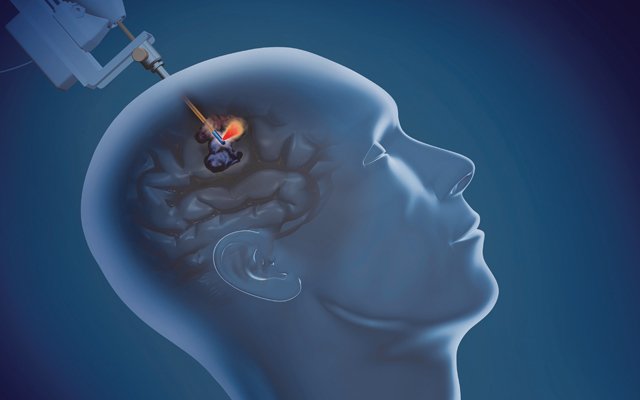
Surgical Resection: The portion of your brain that produces the seizures will be removed by the surgeon. When the region of the brain generating the seizures is tiny, with well-defined borders, and does not regulate things such as speech, movement, vision, or hearing, this operation is most commonly performed.
Disconnective Surgery: Rather than removing a section of your brain, the surgeon will sever the pathways between the brain nerves that cause your seizures.